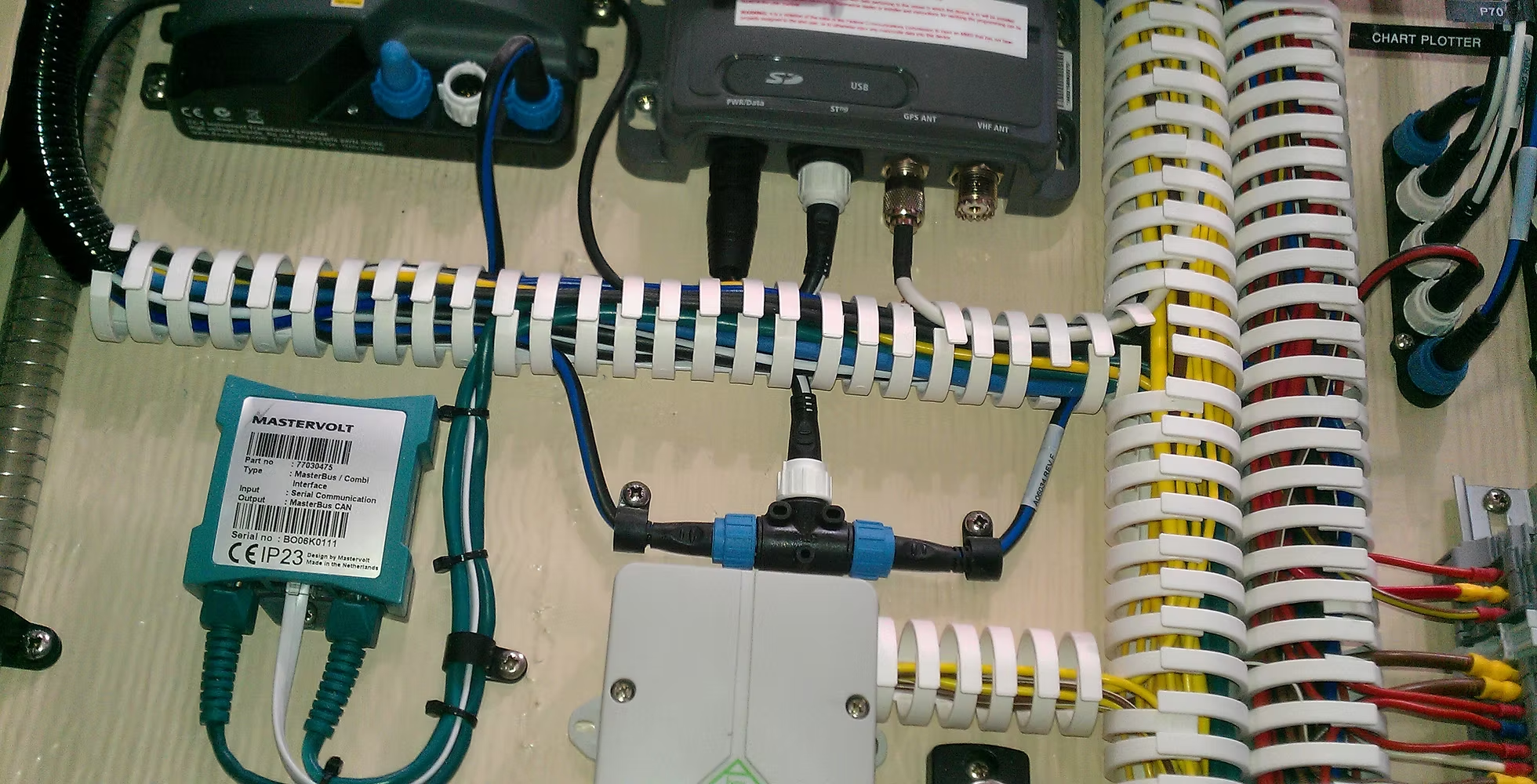
Fogstar LiFePO4 Battery Installation for Boats
We supply and fit Fogstar LiFePO4 batteries on boats, checking the charging equipment, wiring, protection and monitoring that support the bank. We can also inspect a battery you have sourced yourself before agreeing to fit it.
Replacing a battery is only one part of moving to lithium. The surrounding system must be able to charge it correctly and remain safe if its battery management system disconnects. Planning that change around the actual boat avoids leaving a new bank attached to equipment configured for a different chemistry.
Deciding whether the chosen battery suits the installation
Start with the battery’s documentation, not just its capacity label. How it can be charged and used, where it can be mounted and how its battery management works all matter when choosing it for the boat. If you already own the equipment, send the exact model details so those requirements can be compared with what is aboard.
Our wider lithium battery upgrades service covers the system decision. This page deals specifically with fitting a Fogstar bank and making its supporting circuits understandable. If you have bought the battery yourself, we still need to check that it suits the boat before fitting it.
Giving the alternator a controlled charging route
A lead-acid bank and a lithium bank do not behave identically when being charged. An alternator that was acceptable with the old installation may need a different charging arrangement for the new batteries. Charging must be considered with the engine system, existing split-charge equipment and the battery requirements together.
A DC-DC charger may form part of that arrangement, but it is not selected in isolation. Cable condition, protection, alternator capability and the intended charge path must also be checked. Do not bypass an existing control device simply because the lithium battery appears to accept charge; a successful brief test says little about sustained operation.
Checking profiles, fuses and battery management
Mains chargers and solar controllers need settings appropriate to the bank being installed. A familiar charger may offer a suitable profile, or it may need replacing; check its model and instructions to find out. The installation should not leave one forgotten source continuing to use an unsuitable charging programme.
The battery management system protects the battery within its own design limits. It does not replace protection for every cable or make an exposed terminal harmless. We consider isolation, fusing and what happens to connected equipment when the bank disconnects. Battery work presents a fire risk if conductors are left unprotected, so temporary connections are not a shortcut to commissioning.
Making Victron equipment and monitoring useful
Where Victron chargers, inverters or monitoring are already present, their configuration becomes part of the battery installation. A display is only useful if it reflects the bank it now measures. Check the battery monitor, charging settings and how the devices work together rather than simply keeping the old settings.
The owner should be able to distinguish current entering the bank from energy being drawn by appliances. That understanding helps with everyday decisions at anchor and with recognising a charging fault later. Our Victron installation page explains equipment supply and system set-up; the lithium-change guide describes why the supporting equipment matters.
Choosing capacity and a workable battery location
Consider the loads first: what runs overnight, what the inverter supplies and how the batteries will be recharged. A larger bank does not solve a shortage of charging by itself. The available compartment also matters, including cable access, secure mounting and the ability to inspect connections without dismantling unrelated fittings.
Do not treat a lighter battery as permission to leave it loose. The installation still needs support suitable for movement aboard. Terminal positions and the route to isolation devices can determine whether a proposed location is practical, even where the case physically fits. Send pictures of the compartment with dimensions and the neighbouring equipment visible.
From the installation visit to understanding the settings
The visit starts with confirming the arrangement aboard matches the information supplied. Existing conductors and connections are checked, the agreed equipment is installed and the charging sources are configured for the new bank. Test the system while it is working, not just whether a screen lights up when power comes back on.
At handover, ask which isolation controls affect the bank and where charging settings can be found. Keep the battery and charger instructions together with the installation information. If something subsequently changes, such as another charger being added, its settings must be considered against this battery rather than assumed to be compatible.
Frequently asked questions
Will my existing charger and alternator work with a Fogstar bank?
They need checking against the battery’s requirements. A mains charger may have a suitable lithium profile, or it may need replacing. The alternator charging route also needs checking; a DC-DC charger may be part of the arrangement.
What should I send if my Fogstar bank is already purchased?
Send the precise battery model, its instructions and photographs of the proposed compartment, chargers and existing battery connections. We check that it suits the boat before agreeing to fit it.
Can the old alternator connection stay after a Fogstar upgrade?
That depends on the charging design and equipment. The alternator route must be checked for compatibility with lithium charging and battery management, rather than automatically retained.
Why check a Victron monitor when replacing the bank?
It may still reflect the previous battery configuration. Monitoring needs to represent the installed bank and its current paths so that the information shown is useful.
What should I understand before using the new bank afloat?
Know the isolation points, which sources charge the batteries and where the relevant settings and instructions are kept. Ask about any equipment that must not be reconfigured without checking compatibility.
- The wider lithium upgrade
- Victron equipment and set-up
- What changes with lithium
- Enquire about a Fogstar fitting
- All services
Discuss the Fogstar bank you have in mind
Include the battery model and photographs of the charging equipment.